We invest more in design research than any other architecture firm — because the insights we generate today shape the spaces that will outlast us all.
Explore Innovation With UsThe office-to-residential conversion challenge is one of the defining urban design problems of our era. As commercial vacancy rates remain elevated in many downtowns, cities are actively seeking proven conversion models — and Gensler has developed what may be the industry's most rigorously tested methodology.
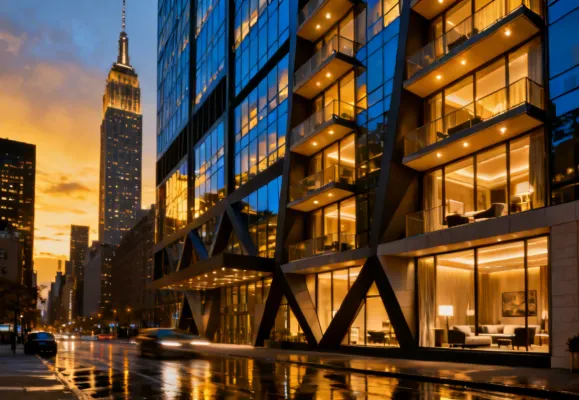
Pearl House in New York City — a former Pfizer office tower converted to 588 residential units — serves as our proof-of-concept reference. The project navigated floor plate depth challenges, natural light constraints, and mechanical shaft reuse issues that typically derail such conversions. Lessons from Pearl House now inform a replicable conversion framework we apply across markets.
Key technical insight: buildings constructed between 1950 and 1985 with structural bays of 25–35 feet and floor-to-floor heights of 12.5 feet or greater show the highest conversion viability. Gensler's proprietary viability scoring tool — built on data from 200+ analyzed buildings — allows clients to rapidly assess conversion potential before engaging in costly due diligence.
Residential units created
Less waste vs. demolition + rebuild
Award-recognized adaptive reuse
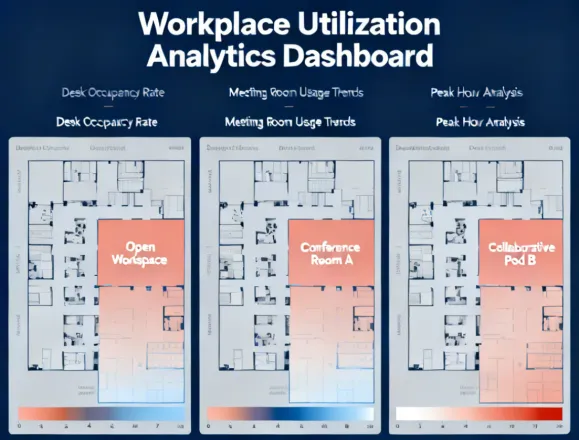
Since 2006, Gensler has conducted the largest ongoing study of workplace effectiveness in the world. The annual survey captures how 100,000+ workers across 10+ countries experience their physical work environments — what drives focus, collaboration, learning, and socialization in office settings.
The 2025 edition revealed a critical finding: the single most powerful driver of employee choice to come to the office is not the proximity of their team — it's the quality of the physical environment. Workers who rate their workplace design highly are 2.3× more likely to commute in voluntarily on days with no scheduled meetings.
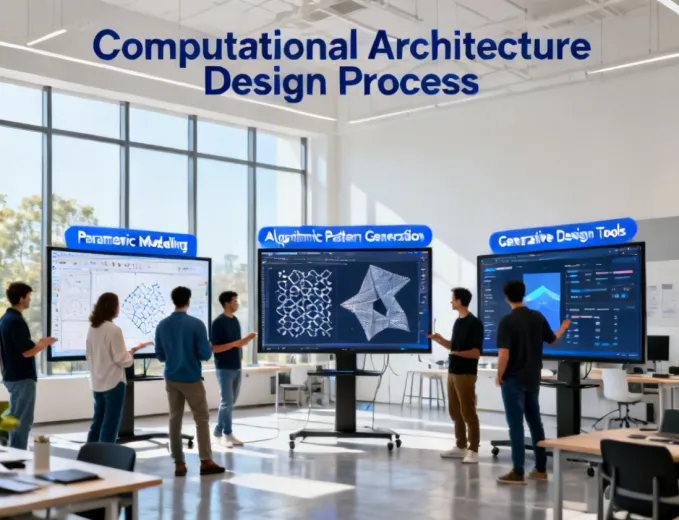
Gensler's Design Futures Lab is exploring how machine learning, generative AI, and parametric modeling tools can accelerate the design process — without displacing the human judgment that makes great architecture possible.
Deployed algorithmic layout tools for open-plan offices, reducing planning cycles by 40%.
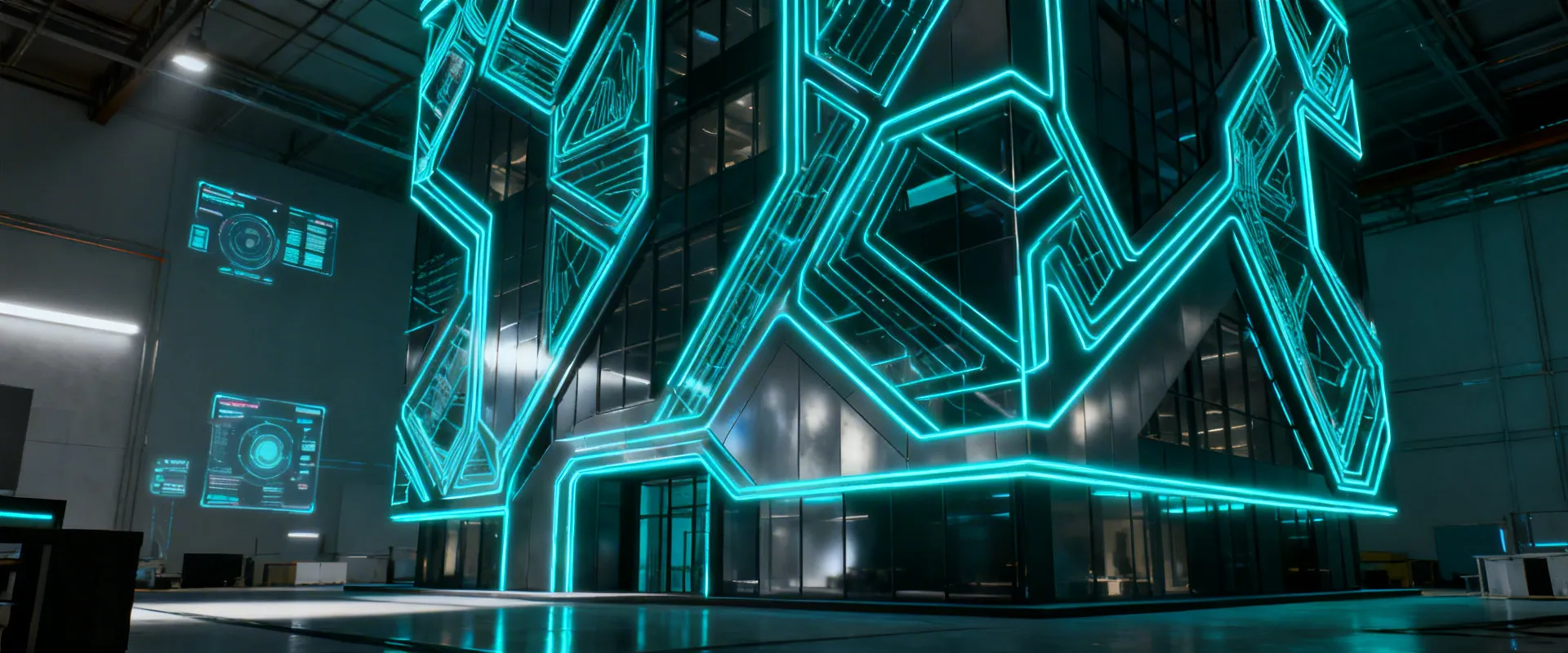
First AI-assisted facade optimization balancing solar gain, daylighting, and material cost simultaneously.
Neural network trained on 200 conversion projects predicts residential conversion feasibility with 84% accuracy.
Live embodied carbon calculation integrated into our BIM workflow — every material change triggers instant carbon impact assessment.
Our innovation capabilities aren't reserved for internal research — they're embedded in every client engagement. Tell us about your project and we'll show you how our research informs our design.
Discuss Your Project